
Shirley went up almost all at once, and the windows show it
Between the wars Shirley went up almost in one go, which is why a whole road can need the same job at once: leaded casements, canted bays under mock-Tudor gables, first-generation uPVC now past its best. Most of our work as glaziers in Shirley is misted sealed units and matched leaded panes. The JM Glass & Glazing vans come from 24 Waddon Close in Waddon, Croydon CR0 4JT, four miles west.
Until the 1930s, Shirley was farms and hamlets. Then it went up almost all at once. Monks Orchard is the sharpest example: the Corporation of London bought the estate in 1924, pulled down Lewis Loyd's 1854 mansion, and most of the streets (Orchard Grove, Elstan Way, Greenview Avenue, Bywood Avenue, Orchard Way), were laid out between 1937 and 1939. The 1937 sales prospectus advertised them as Homes of Distinction, Tudor-style, with no mass production houses and a fitted kitchenette. Ninety years on, that history is the reason a whole road can end up needing the same job.
What it left is a very particular kind of window. Mock-timber gables, canted bays at the front, leaded-light casements upstairs and down. Put a plain flush casement into one of those bays and it's obvious from across the road: leaded or Georgian-bar units are what the street expects. And on a lot of these houses the gable sits directly on top of the bay, so a bay replacement isn't a straight swap. It needs proper bay posts and temporary support for the lintel while the old frames come out. Get that wrong on Orchard Way and you have a structural problem, not a glazing one.
Shirley Oaks Village, Upper Shirley and Spring Park
Shirley Oaks Village is the odd one out and worth knowing about. The cottage homes on the site ran from 1903 until they closed in 1983, and the land was redeveloped in the 1980s as a tight loop of bricky, gabled townhouses with flower-named streets running alphabetically anti-clockwise from Primrose Lane. A few original cottages survive, converted to flats. The small-pane timber casements were swapped for first-generation uPVC decades ago, and that uPVC is now at the end of its life. It's repeat, like-for-like work, and one job on the loop tends to bring the neighbours out.
Upper Shirley, on the slopes below Addington Hills, is the money end: larger detached houses and bungalows on roads such as Bishops Walk, with big rear glazing, patio and sliding doors, tired conservatory roofs and bi-folds pointed at the view. Spring Park (Cold Harbour on the older maps), filled in through the 1920s and 30s around Bridle Road and Broom Road, and the Shrublands estate went up after the war on golf-course land taken by compulsory purchase. Shrublands and the other ex-council stock is standard openings and volume work, with mixed freehold and leasehold, so sometimes there's a managing agent to square first.
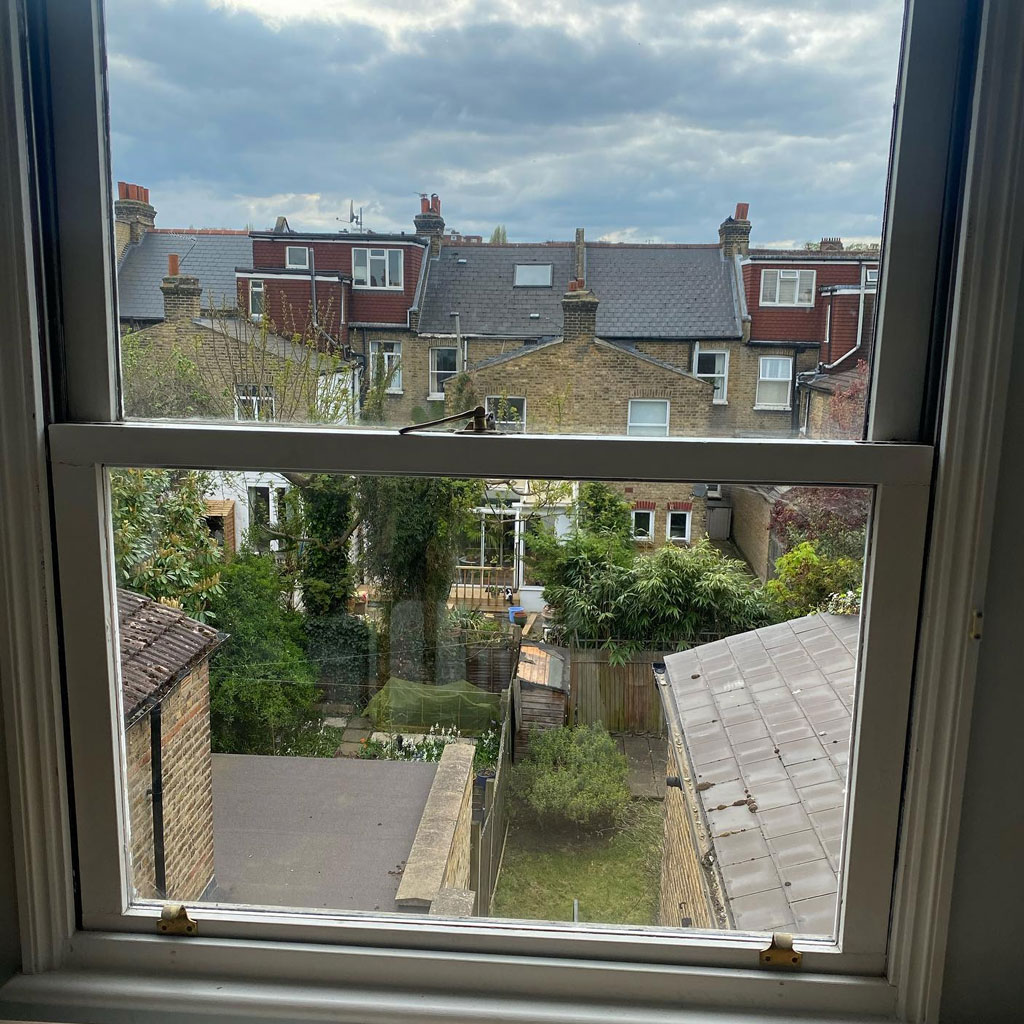
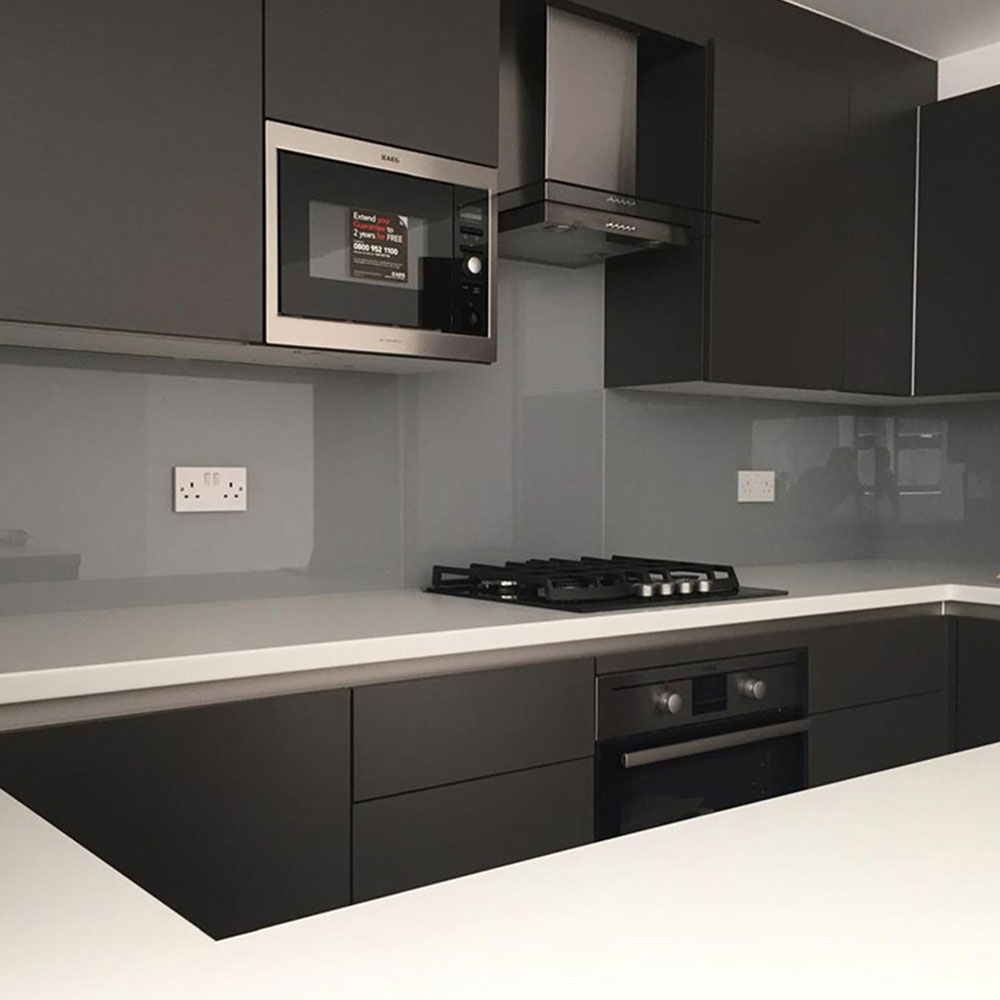
What we get called out for in Shirley
- Misted double glazing. Condensation sitting between the panes means the seal has gone. In most cases we swap the sealed unit and leave the frame alone, see misted unit replacement.
- Broken and cracked panes. Doors, windows, hall side-lights and greenhouse glass. Glass replacement in a standard opening is usually a measure one day, fit the next.
- Leaded and stained glass. Original 1930s coloured lights in front doors and side-lights are all over Monks Orchard. Where we can, we salvage the panel and re-encapsulate it in a new unit rather than bin it.
- Window repairs. Hinges, handles, locks and beads on ageing uPVC. Window repairs in Shirley are often a good deal cheaper than a new frame, and we'll say so if that's the case.
- Boarding up and emergency call-outs. If a pane goes through at night we board it so the house is secure, then glaze it properly after. Our emergency glazier cover reaches Shirley, and we aim to make a property safe the same day where we can.
- Glass around the house. Glass cut to size, splashbacks, made-to-measure mirrors, shower screens and balustrades, the Upper Shirley extensions keep us busy with these.
Shirley has no high street. Retail is spread across four modest parades instead: the Wickham Road shops in the centre, with the library, the cafés, the takeaways and the two pubs; the Orchard Way parade at Monks Orchard, down to a Co-op since The Orchard closed in 2019; the Bywood Avenue shops; and the small row at the Bridle Road and Broom Road junction in Spring Park. Shop front work here is single units and single doors: one or two panes at a time, usually toughened, usually wanted the same week. That's the size of job we're set up for.
The bigger glass in Shirley is institutional
The serious glazed elevations round here belong to institutions rather than shops. Bethlem Royal Hospital and the Bethlem Museum of the Mind at Monks Orchard. Shirley Oaks Hospital in the village. Trinity School beside Shirley Park Golf Club on Addiscombe Road, plus Coloma Convent, Shirley High, Orchard Park High and several primaries. Sites like these run planned-maintenance budgets and carry safety-glass obligations on doors, screens and low-level panes. If you look after one and need a price for shop front and commercial glass, or toughened panes made to order, we'll come and measure.
No conservation area, but two things to check
No conservation area covers Shirley, so for most houses here the front elevation isn't restricted the way it is in parts of Croydon. Two exceptions are worth knowing. Shirley Windmill on Postmill Close is Grade II listed (a tower mill built in 1854 by Richard Alwen and restored with a Heritage Lottery grant in 1996), and All Saints Church on Bridle Road, built in 1955-56, is listed as well. Listed buildings need consent before anything changes. Most of what we do in Shirley is glass into an existing frame, which is repair rather than a replacement window, and that keeps things simple.
Getting to Shirley from Waddon
We work out of 24 Waddon Close, CR0 4JT. As the crow flies, Shirley is about two and a half miles east. The road route has to cross the middle of Croydon though (the A232 Addiscombe Road, then Lower Addiscombe Road, then Shirley Road onto Wickham Road), so call it four to four and a half miles and 20 to 25 minutes off peak. At rush hour, allow 30 to 35. We'd rather be straight about that: for the distance, Shirley is one of the slower runs we do, and the town centre is the reason.
Once we're there, the constraint is access rather than anything clever. Narrow tree-lined roads, mature front gardens, cars parked both sides on the Monks Orchard streets. Carrying a sealed unit down a side return matters more here than any lifting kit. We'll tell you where the van needs to sit when we come to measure, and if it's a rear-garden job through a neighbour's side gate, we'll say so before the glass is ordered.
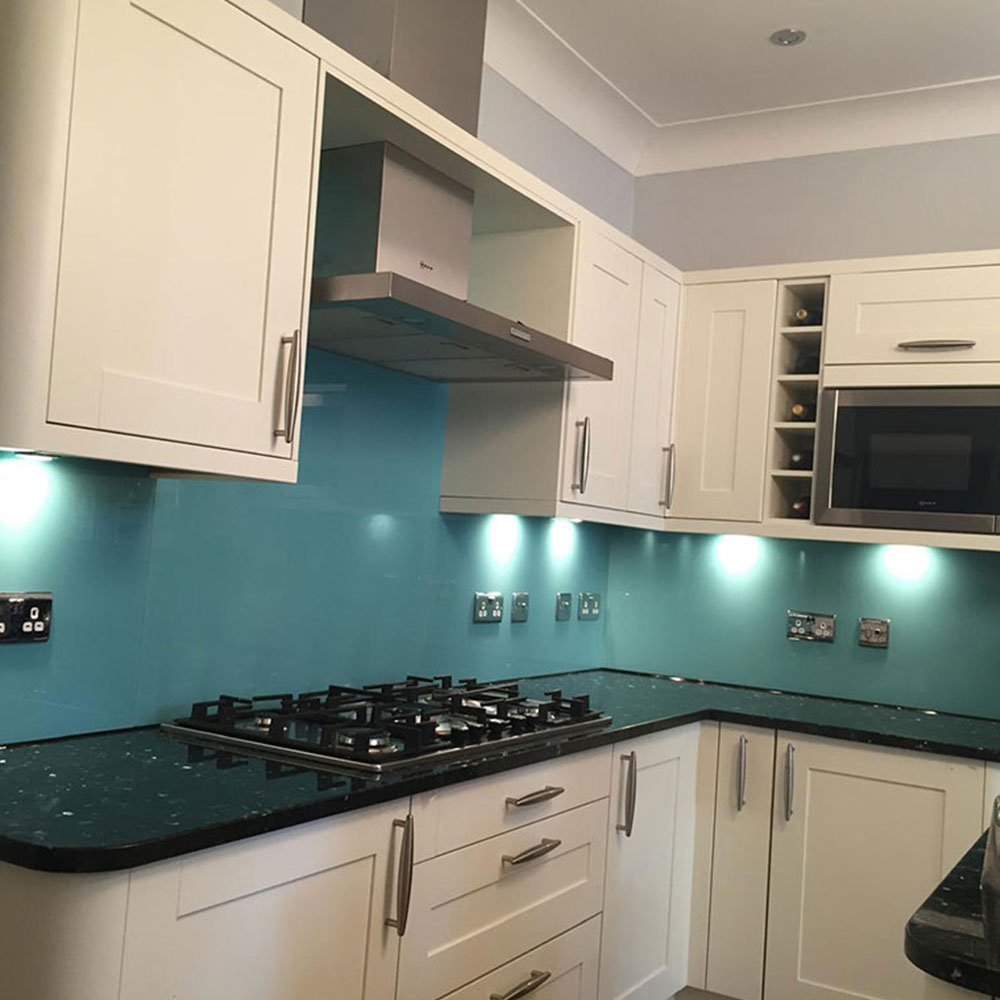
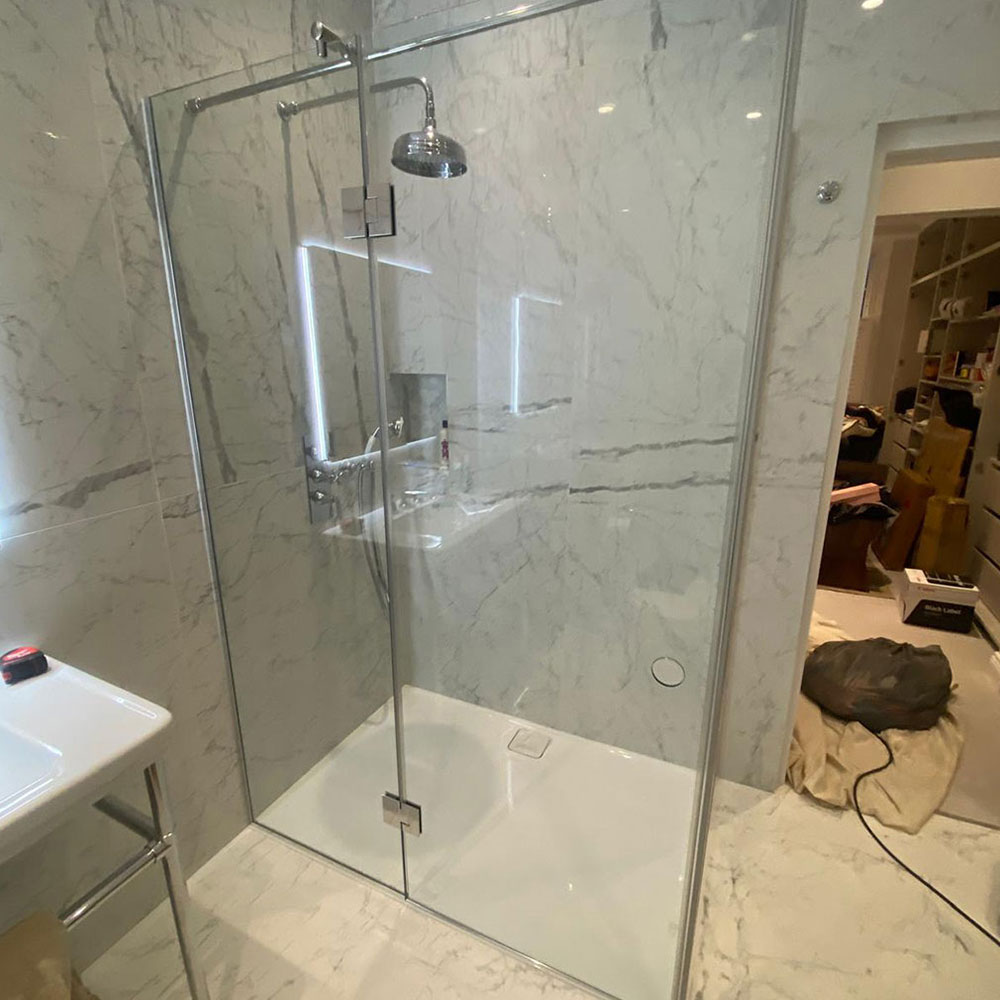
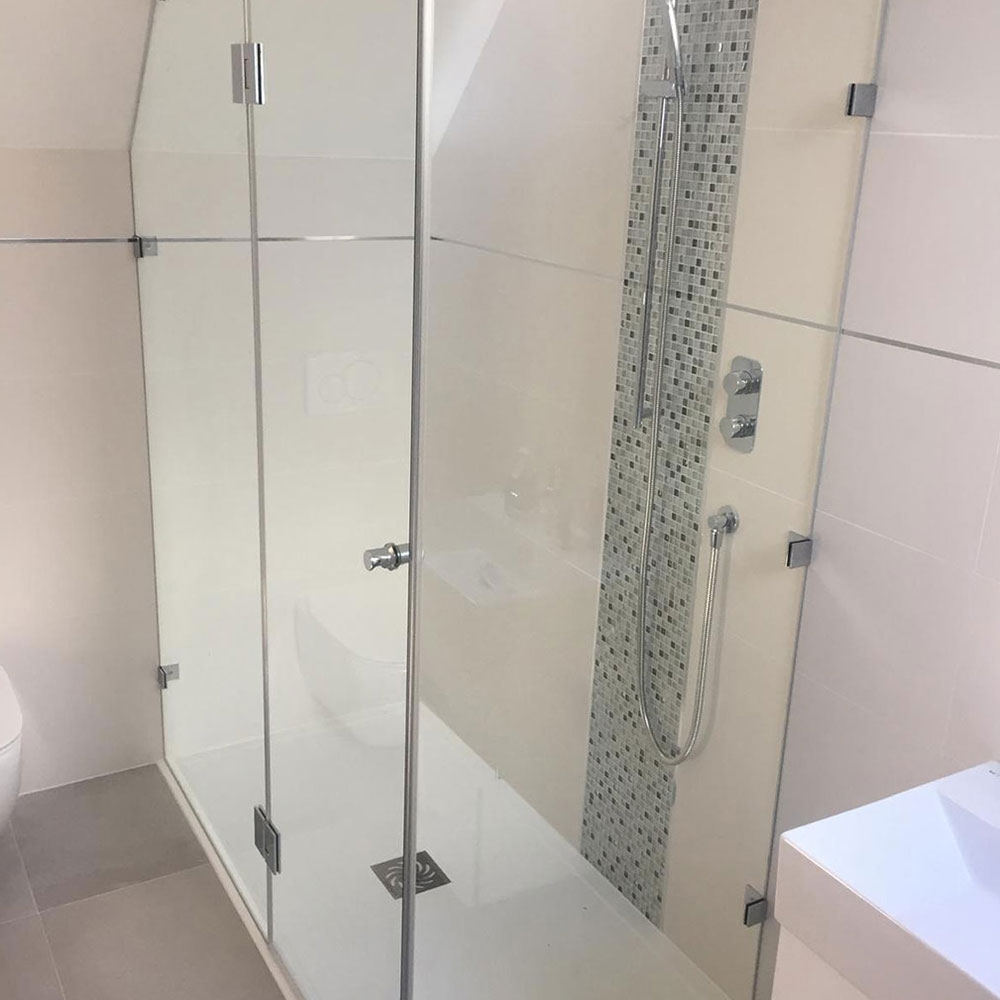
Glazing services we provide in Shirley
Glass and glazing work across Shirley, CR0, from a misted sealed unit on Bywood Avenue to a new shower screen in an Upper Shirley bathroom. Same trade, same two phone numbers.
Areas near Shirley
We also cover Croydon, South Croydon, Sanderstead, Selsdon, Beckenham, Bromley. See every area on our areas covered page.
Frequently Asked Questions
All of it. Shirley proper and Shirley Oaks are CR0 8, Upper Shirley is CR0 5 and Monks Orchard is CR0 7, and we work across all three. Spring Park, Shrublands and Shirley Park too. If you're not sure which side of a boundary you sit on, give us the road name and we'll tell you.
Usually, yes. The diamond and rectangular leaded patterns on the Monks Orchard and Spring Park houses can be made up as a new leaded pane, or sealed into a double-glazed unit so you keep the look and lose the draught. Where there's original coloured glass in a front door or hall side-light, we'd rather salvage the panel and re-encapsulate it than throw it away.
Twenty to twenty-five minutes off peak from our base at 24 Waddon Close, CR0 4JT. The route runs through the middle of Croydon on Addiscombe Road, so at rush hour allow thirty to thirty-five. For a broken window we aim to make a property safe the same day where we can, and we do emergency call-outs.
Almost never. Misting between the panes means the seal on the sealed unit has failed, and the unit is the part that gets replaced. The frame normally stays put. We measure the glass, order it and come back to fit. It's the most common job we do in Shirley, particularly on the Shirley Oaks Village townhouses where the uPVC all went in at the same time.
No conservation area covers Shirley, so for most houses here it isn't a planning question. The exceptions are the listed buildings (Shirley Windmill on Postmill Close and All Saints Church on Bridle Road), which need listed building consent before anything changes. Most of our Shirley work is glass into an existing frame, which counts as a repair.
Yes. Glass cut to size is a regular part of the week: shelves, table tops, cabinet fronts, picture glass and pane sizes for old timber frames. Tell us the measurements, the thickness, whether you want the edges polished and whether it needs to be toughened, and we can bring it over next time we're in Shirley.
Yes, and Upper Shirley keeps us busy with it. The larger houses on the slopes below Addington Hills, on roads such as Bishops Walk, have big rear glazing, sliding patio doors and bi-folds pointed at the view. Door glass has to be toughened and it is cut to order, so we measure first and fit once it arrives. Access is the usual constraint, carrying a unit down a side return matters more than any lifting kit, so we check the route when we measure.
Not the frames. We are glaziers, so we replace the glass in the window you already have. That is usually all that is needed: a failed sealed unit or worn hardware, sorted without the frame coming out, which is both the faster and the cheaper answer. It matters here because on a 1930s Shirley semi the gable often sits straight on top of the front bay, so taking those frames out means bay posts and temporary support for the lintel. That is a replacement-window company's work, not ours.