
What counts as a bespoke glass project
JM Glass & Glazing are glaziers based at 24 Waddon Close in Croydon CR0 4JT. We make one-off architectural glass to your drawings, for homes and businesses across South London and Surrey.
Bespoke glass projects are the one-off jobs: glass made to a drawing or a template rather than ordered from a list of standard sizes. Roof lanterns and glass roofs, internal partitions and screens, shelving, table tops and structural panels. We work with architects, builders and homeowners across Croydon, South London and Surrey, and every job starts either with a set of drawings or with a measurement we take ourselves.
Two kinds of enquiry come in. One is a builder or an architect part-way through a job who needs glass made to a spec that already exists: sizes on a drawing, a unit make-up in a specification, a date on a programme to hit. The other is someone standing in their own house pointing at a stairwell, a dead wall or a dark middle room, describing what they want and asking whether glass will do it. Both are fine. The second one needs a site visit before anybody can talk sensibly about money.
The kind of work this covers
- Roof lanterns, glass roofs and roof lights. New units into an existing lantern frame, or the glass for a new one. A hipped lantern is not a set of rectangles, every pane on a hip is its own trapezoid or triangle, cut to its own template.
- Partitions and internal screens. Toughened panels in slim steel or aluminium framing to split a room without losing the light, plus frameless screens, door side panels and stairwell infills.
- Shelving and display glass. Toughened shelves with polished edges, cut to alcoves that are never quite square, sitting on pins, brackets or in a channel.
- Table tops and protective tops. Toughened glass over a timber or metal base, or a clear top made to cover an existing table. Corners radiused, edges polished, low-iron glass where the edge is on show.
- Structural and odd-shaped panels. Landing infills, floor lights, shaped panes for period buildings where nothing is square, and the glass for a glass balustrade when it forms part of a bigger scheme.
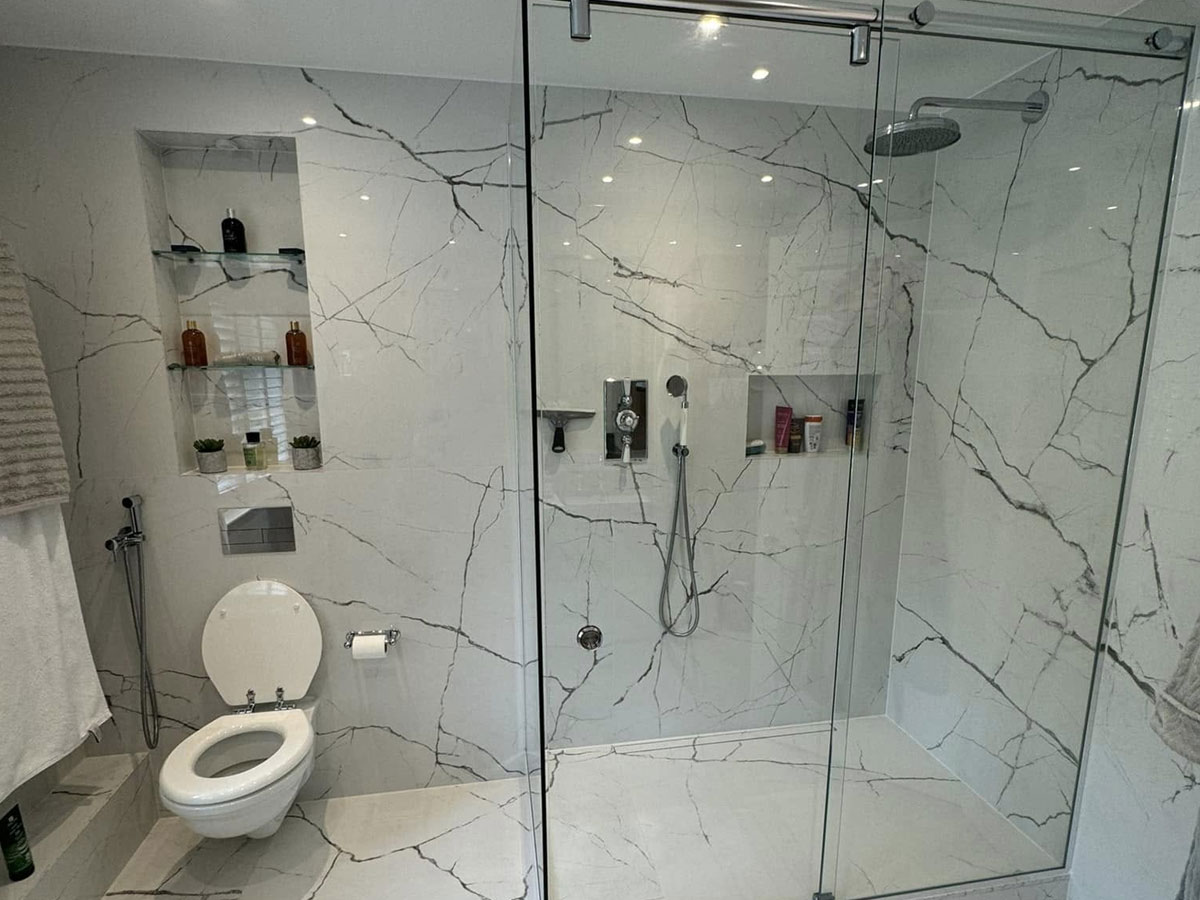
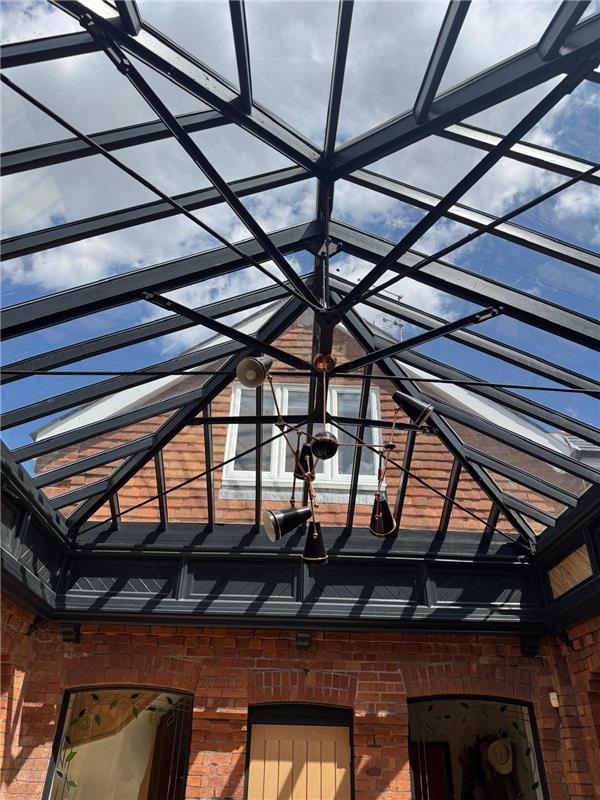
Named Installation of the Month by Edge Building Products
In July 2025 Edge Building Products picked one of our roof light refurbishments as their Installation of the Month. The job was 44 shaped double-glazed units, made and fitted into Edge 50mm capped aluminium glazing bars. That is a supplier feature rather than an accreditation and we would rather say so plainly, but it is exactly the work on this page: shaped units, an existing structure to work to, and 44 separate chances to get a template wrong.
Refurbishing a lantern that is already there is a big part of what we do. The frame is often perfectly sound and it is the glass that has gone: failed seals, misting, a cracked pane, or plain glass in a roof that becomes unbearable in July. New units into the existing bars costs less than a new lantern and keeps a period roof looking like it belongs on the building. If the glass is only misted rather than broken, that is double glazed unit replacement and it is a smaller job than most people expect.
Bespoke glass in Croydon, South London and Surrey
We survey out of Waddon in Croydon and this work spreads south and east. Big glass follows big plots, so Woldingham, Oxted, Sanderstead and Selsdon give us most of the lanterns, orangery roofs and garden-room glass. Partitions and screens come from the Victorian and Edwardian terraces closer in, around Croydon, South Croydon and out towards Beckenham, where a side-return extension has left a dark room in the middle of the house. Shop and office glass is mostly central Croydon.
Overhead glass is specified differently from glass in a wall. A sealed unit in a roof normally has a toughened outer pane and a laminated inner one, so if the inner pane ever breaks the interlayer holds the pieces in the frame instead of dropping them into the room. That detail separates a proper roof unit from a window unit fitted in a roof, and it is worth checking on any quote.
The outer pane is usually heat-soaked as well. Toughened glass can carry tiny inclusions that make a pane fail years later for no visible reason, and heat soaking is an extra oven cycle that pushes the suspect ones into failing in the factory rather than on your roof. Overhead, it is worth it.
Coatings matter more overhead than anywhere else. A glass roof is the hottest thing in the house in July, so a solar control coating usually pays for itself, and self-cleaning glass earns its keep where you cannot reach it with a ladder. Elsewhere the choices are simpler: 10mm or 12mm toughened for shelves and partitions, 12mm to 19mm for table tops, and low-iron glass wherever a thick polished edge is on show, because ordinary float has a green cast on the edge.
What actually drives the price
- Shape. Rectangles are the cheap end of everything. Triangles, trapezoids, raking heads, notches and curves are set out and cut individually, so a hipped lantern is a run of one-offs rather than a repeat order.
- The make-up of the unit. Toughened, laminated, heat-soaked, coated, low-iron. Each of those adds. A roof unit specified properly costs noticeably more per square metre than a window unit the same size.
- Edgework. Polished edges, bevels, radiused corners, holes and cut-outs are separate operations, and all of them have to happen after the glass is cut and before it is toughened.
- Size and weight. There is a point where a pane stops being a two-man lift and needs suction gear and extra hands. Crossing that line moves a quote more than the extra square metre does.
- Access. Roof glass usually means a tower or a scaffold. Getting a 2.5m pane through a house, round a half-landing or down a side return is part of the job and is priced as one.
- What it is going into. A sound existing frame is straightforward. One that has dropped, rotted or was never square wants work first, and we would rather find that at survey than after the glass is on order.
What tends to go wrong
The biggest by far is glass ordered off a drawing instead of a template. A drawing is what the building was meant to be. A template is what it actually is once the brickwork and the plaster are in, and the gap between the two is routinely 5 or 10mm. Toughened glass cannot be cut, drilled or ground after the furnace, so a pane that comes out wrong is a new pane and another lead time. After that it is access nobody checked, and programmes wanting glass before the structure is ready to template.
How the job runs
Send drawings if you have them, photos and rough sizes if you do not. We look, agree the glass make-up and the finish, and price it. Templating happens once the structure is up and true, not before. The glass is then made to order: about a fortnight for straightforward toughened, longer for shaped, laminated or coated units. Fitting is normally a day or two. If something is not right afterwards, tell us and we will come back and put it right.
Bespoke Antique Mirror installation
Bespoke Glass Projects across South London and Surrey
We provide bespoke glass projects throughout the areas below and everywhere in between. See our full areas covered page.
Bespoke silver mirror install
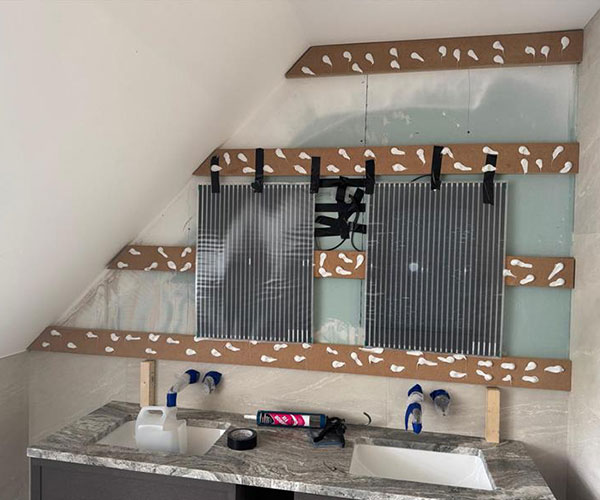
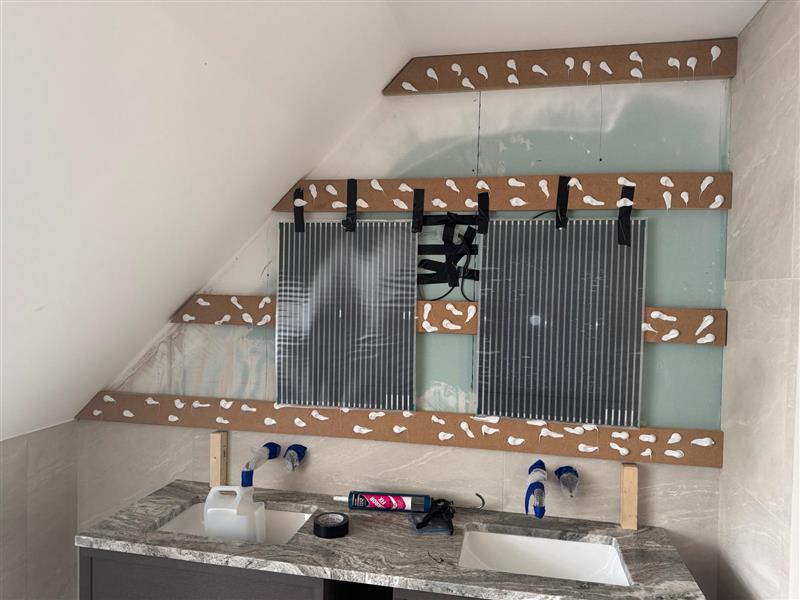
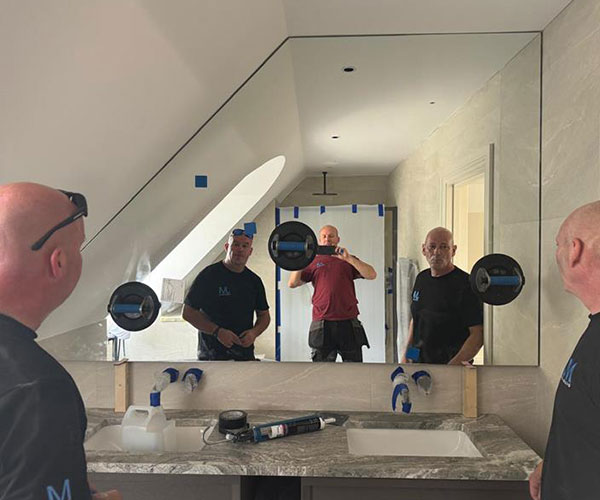
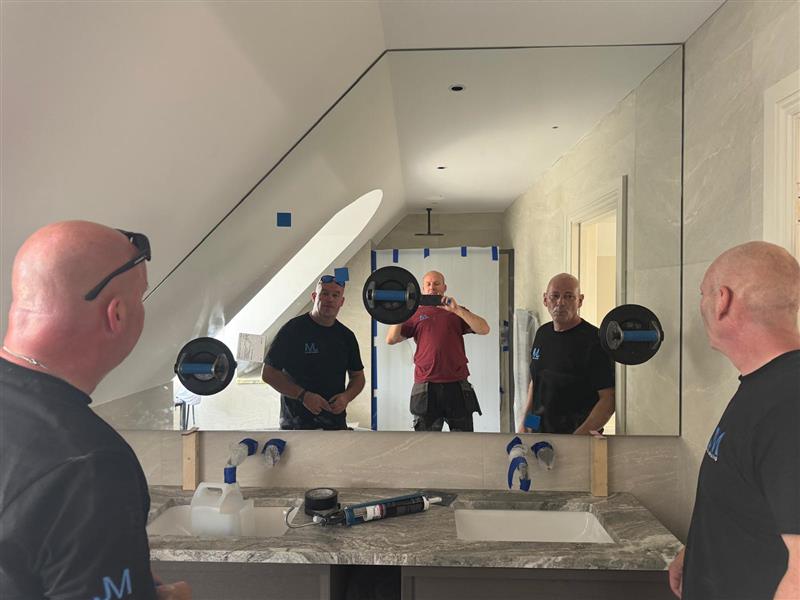
Bespoke mirror install
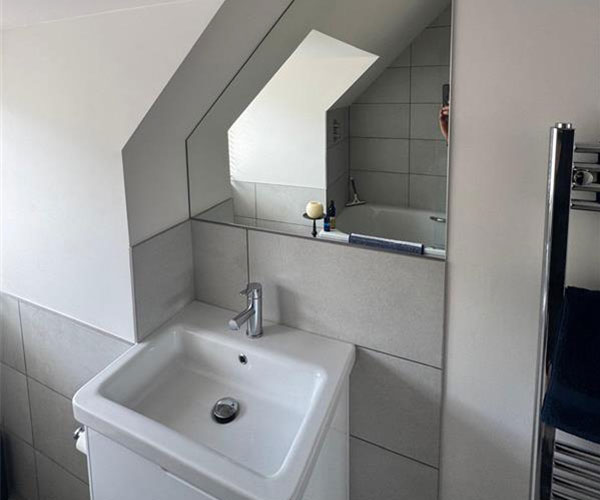
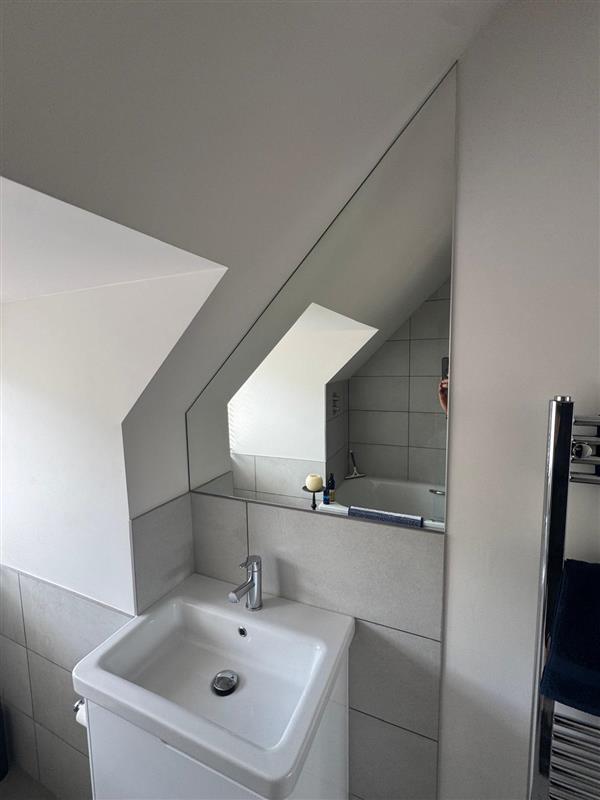
Frequently Asked Questions
There is no useful figure to print, because two lanterns of the same size can be double the price of one another. Shape drives it hardest, then the make-up of the units, then edgework, pane size and access. Send drawings, or photos with rough sizes, and we will price the actual job rather than guess at it.
Yes, and a good share of this work arrives that way. Send the drawings and the glass specification if there is one, and we will tell you what we can make, anything we would change and what it costs. On shaped or structural glass we still template on site before ordering. The drawings set the design; the template sets the sizes.
Allow roughly a fortnight for the glass after templating, and longer for shaped, laminated, coated or low-iron units, which are made individually. Fitting is usually a day or two. The part people underestimate is that we cannot template until the structure is finished and true, so the clock starts later than the day you order.
Often, yes, and it is one of the jobs we do most. If the frame is sound and it is the glass that has failed, new units into the existing bars cost less than a new lantern and keep a period roof looking right. That is the job Edge Building Products featured in July 2025: 44 shaped units into 50mm capped aluminium bars.
Usually both, in different places. Glass over your head normally wants a toughened outer pane and a laminated inner one, so nothing can drop into the room. Partitions, shelves and table tops are toughened. Glass low down beside a door or a floor has to be safety glass under the regulations. We confirm the make-up at survey and put it in writing.
Usually close, not always exact. Old glass has a texture and a colour that modern float does not, and plenty of patterned glass has been out of production for decades. We will show you the nearest patterns available and, where a period pane has to look right, tell you honestly how close it will get before you commit to it.
Both. If a builder or joiner is running the job we can supply panes processed, toughened and cut to template for them to install. Most customers want it surveyed, templated, made and fitted by us, which keeps one person answerable for whether it fits. Tell us which you want when you call and we will price it that way.
No, and be wary of anyone who says otherwise too casually. We are not a certification scheme member and we do not self-certify. What we do is tell you exactly what glass is going in and why, so that whoever is handling building control on the job, usually the architect or the main contractor, has what they need from us.