
Riddlesdown's houses were built in sets, and they fail in sets
Ridge roads like Riddlesdown Avenue and Honister Heights repeat the same few house designs, so the same window comes up again and again. The elevations facing the Downs go first, with blown units and soft beading. As glaziers in Riddlesdown, JM Glass & Glazing come up from Waddon in Croydon CR0 4JT to template the bay and sort out the carry before any glass is ordered.
Most of Riddlesdown went up in the 1930s, developed by John Laing plc: bay-fronted semis and detached houses laid out street after street on the hillside between Purley and Sanderstead, climbing to the trig point at 525 feet. Riddlesdown Road, Riddlesdown Avenue, Mitchley Avenue, Honister Heights and the roads off them share a handful of house designs. Later building is limited: post-war and 1960s to 80s infill, some flats near the station on Lower Barn Road, and a lot of loft conversions.
That uniformity changes how the work goes. On a road of identical Laing semis the sealed units went in at the same time, in the same sizes, facing the same way, so when one blows, the neighbours' are rarely far behind. We often end up measuring two or three houses on one visit. It also means a replacement has to match. A bay that sits half an inch out, or a glazing bar that doesn't line up, is obvious from the pavement here, because the house next door is the control.
The bays, and the Art Deco details on the Laing designs
The front bay usually carries the gable or the first floor above it, so on the original frames it is a propped job rather than a straight swap. We check the lintel and support the bay before anything comes out. Some of the Laing houses show Art Deco influence: horizontal glazing bars, curved suntrap corners, metal-framed casements. Those want matching rather than a plain replacement, so we template on site instead of working to a standard size.
Exposure matters here too. Houses on the ridge and along the edge of the common take driving rain straight off the Downs, and it shows as blown units, perished seals and soft beading on one elevation while the sheltered side is still sound. On that side we pay proper attention to drainage and to how the unit is bedded and fixed, because it is going to have a harder life than the same window round the back.
What we get called out for in CR8 1
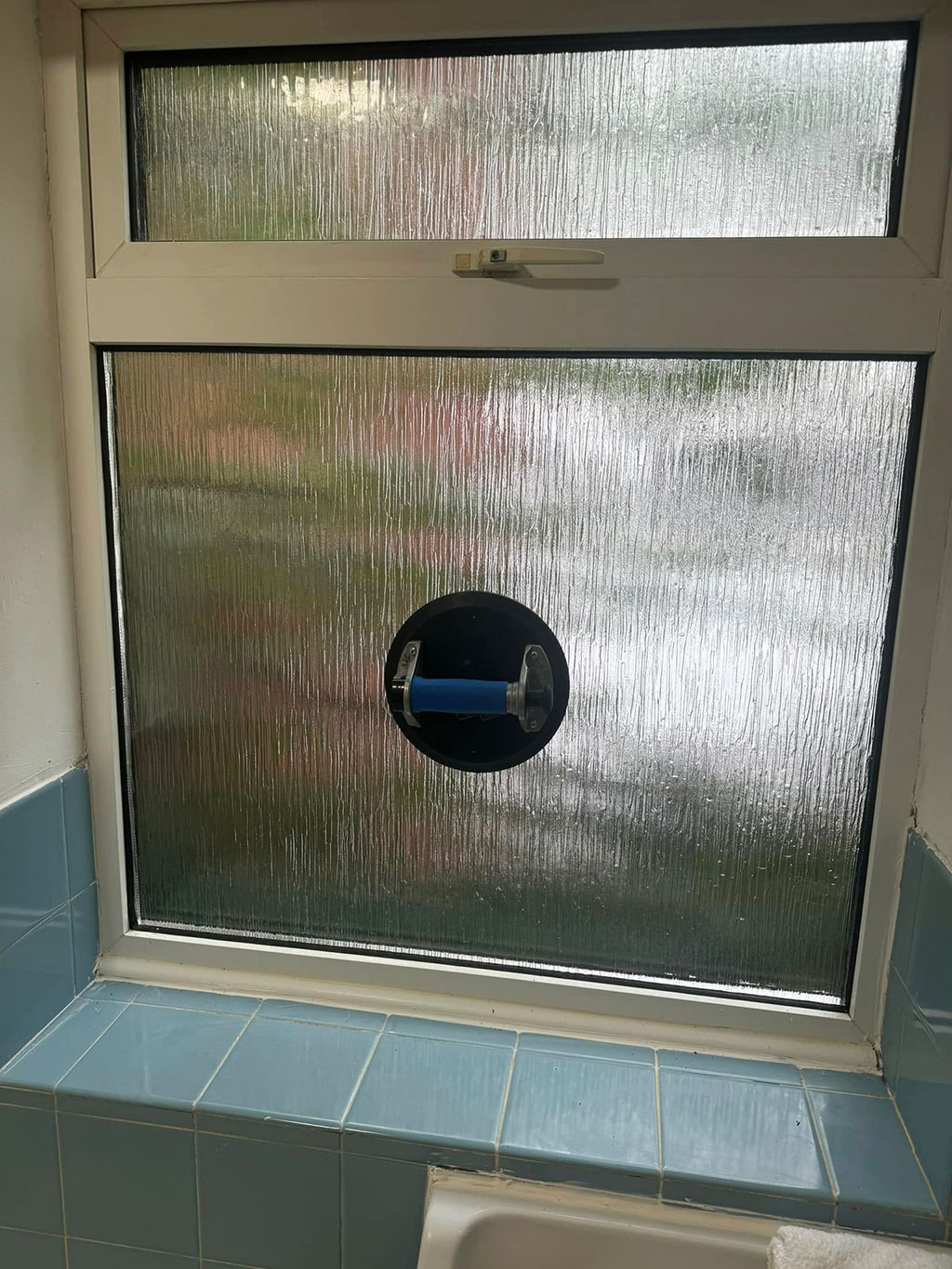
- Misted double glazing, sealed unit replacement in the original bays, usually one or two panes rather than the whole window.
- Cracked and broken panes: glass replacement in casements, front doors and side panels, toughened where it needs to be.
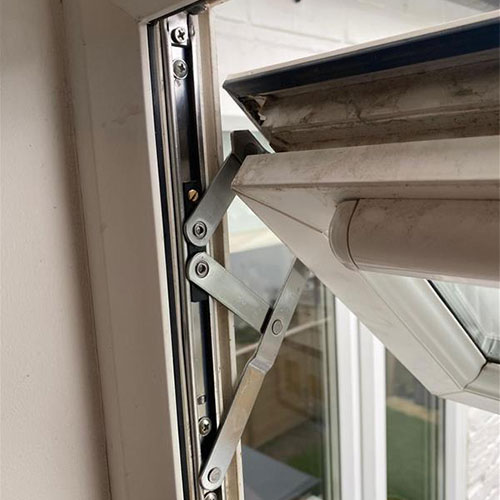
- Windows that will not shut properly: window repairs to hinges, handles and beading, most often on the weather side.
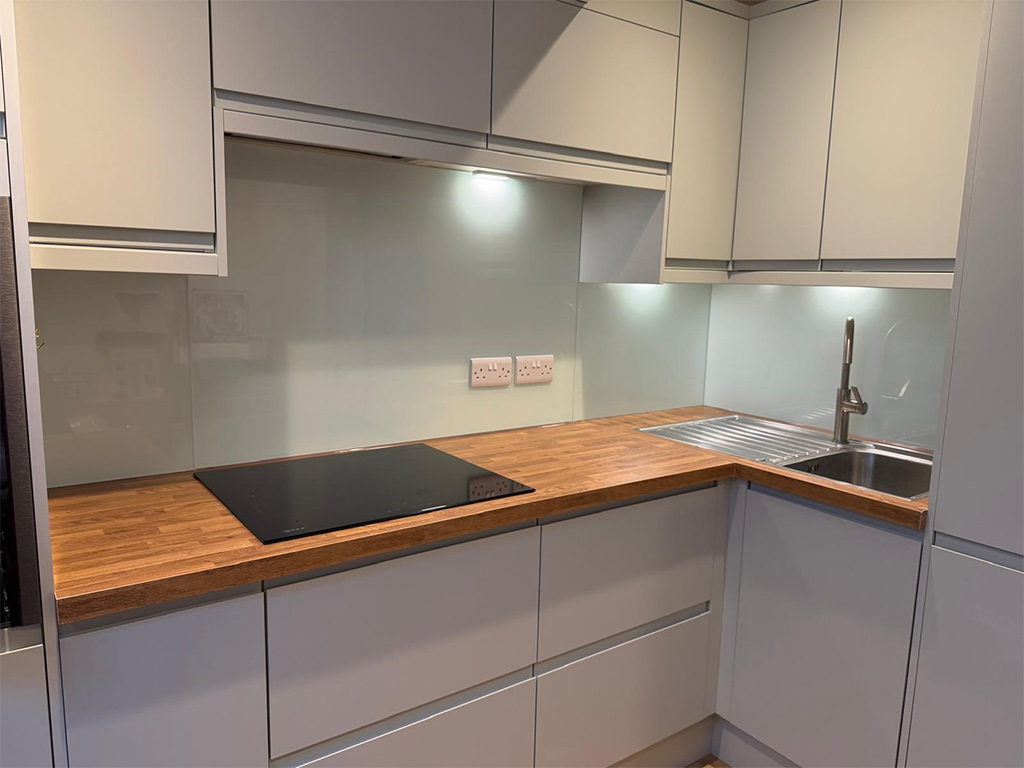
- Glass cut to size: shelves, cabinet glass, porch and greenhouse panes, measured on site rather than ordered blind.
- Roof lanterns and rear extensions, glazed roofs and full-height glazing taking the valley and common views.
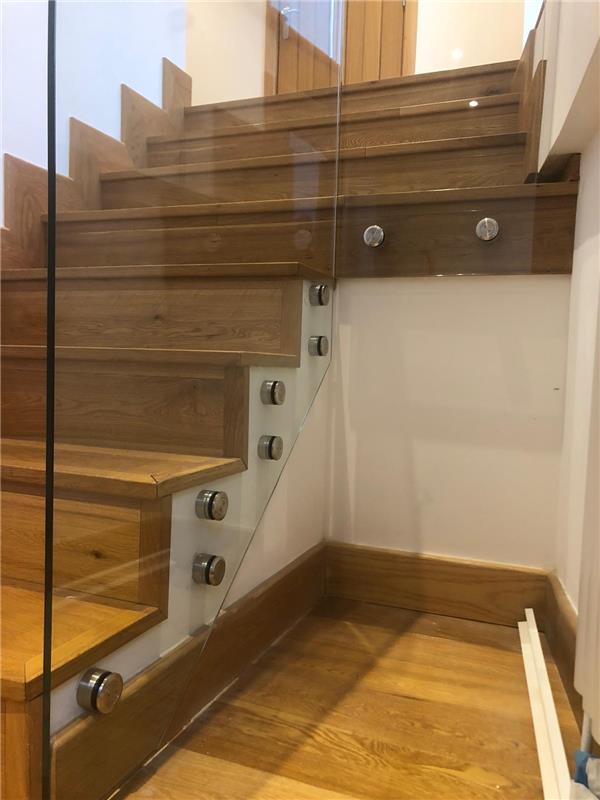
Plots on the ridge fall away sharply, and the back of the house looks over Riddlesdown Common and down the valley, so rear extensions with roof lanterns are the standard upgrade on these plots. Loft conversions are the other one, and they bring dormer windows, roof lights and Juliet balconies with them, balustrade work as much as glazing. Edge Building Products named a roof light refurbishment of ours Installation of the Month for July 2025: 44 shaped double-glazed units into Edge 50mm capped aluminium glazing bars.
If a pane goes in at night, ring the mobile. We take emergency call-outs and we aim to make a property safe the same day where we can, boarded first if the glass has to be cut or ordered, then back to glaze it properly once it is in.
Retail in Riddlesdown is small on purpose. There is the parade on Lower Barn Road by the station (post office, hairdresser, a couple of convenience shops and a café), and not much else. The station itself dates from 1884, when the Croydon to Oxted line was finished and the half-mile Riddlesdown tunnel was driven east of it. Riddlesdown also has no pub, and never has: the Atwood family, Lords of the Manor, put the same restrictive covenant on it as they did on Sanderstead. So this is a domestic area with a little commercial attached, not a shop front market.
Shop front glass at the parade, Purley Cross and Hamsey Green
For the parade shops the jobs are the ordinary ones: a cracked or shattered shop front pane, a door panel gone through, toughened and laminated replacements in the right thickness. Out of hours we board up and come back with the glass cut. The bigger commercial frontage is a mile west along the Godstone Road and around Purley Cross, and a mile east at the Hamsey Green parade, and we work along both.
Riddlesdown Collegiate and buildings with a lot of glass in them
Riddlesdown Collegiate on Honister Heights, CR8 1EX, is the largest building in the area by a distance: an 11 to 18 academy that opened in 1958 as Riddlesdown High School. Buildings like that run glazing as planned maintenance, usually in the holidays, with the odd urgent pane in between. That is work we are set up for: surveyed, ordered to a date, fitted without dragging it out, and the right glass specification in the right opening.
No conservation area here, but the estate still has to match
No conservation area covers Riddlesdown and there is no Article 4 direction, so on the planning side replacement is simpler here than in parts of the borough a few miles north. The real constraint is visual. The estate reads as one piece, so bay proportions, sightlines and bar patterns still have to line up with next door. Worth saying plainly: we are glass specialists rather than a replacement-window company, so most of what we do on these houses is new glass into existing frames, repairs, and new glazed structures like lanterns and balustrades.
Getting to Riddlesdown from Waddon
We are at 24 Waddon Close, Croydon CR0 4JT: about three miles from the ridge in a straight line, four and a half to five by road. It is the A23 Purley Way down to Purley Cross, then the A22 Godstone Road and up Lower Barn Road or Riddlesdown Road onto the ridge. Around 20 minutes off-peak, 25 to 30 at peak, and the climb off Godstone Road is the slow part. On the steep terraced plots up there we work out the carry and any access before the glass arrives. A hillside is not the place to improvise with a large sealed unit.
Glazing services we provide in Riddlesdown
The same handful of jobs come up over and over on the Riddlesdown estate, because the houses are so alike. These are what we are called out for most in CR8 1.
Areas near Riddlesdown
We also cover South Croydon, Purley, Coulsdon, Sanderstead, Selsdon, Kenley. See every area on our areas covered page.
Frequently Asked Questions
All of CR8 1. That means the ridge roads like Riddlesdown Road and Riddlesdown Avenue, Mitchley Avenue and Mitchley Hill down to the Sanderstead boundary, Honister Heights, Tithepit Shaw Lane, and the station end on Lower Barn Road and Godstone Road. We also work in Purley, Kenley and Sanderstead either side, so a Riddlesdown job is rarely a special trip.
About 20 minutes off-peak from our base at 24 Waddon Close in Croydon. It is the A23 Purley Way down to Purley Cross, then the A22 Godstone Road and up onto the ridge. Allow 25 to 30 minutes in traffic, mostly on the climb. Roughly four and a half to five miles by road, three in a straight line.
Usually, yes. Riddlesdown was built to a handful of Laing designs, so bay shapes, sightlines and glazing bar patterns repeat along the road. We template on site rather than working to a standard size. On the Art Deco-influenced houses, with horizontal bars, curved suntrap bays and metal casements, we match what is already there instead of dropping in a plain unit.
No. Misting means the sealed unit has failed, not the frame. We measure the unit, order a replacement to match (same thickness, same spacer, obscure or leaded pattern if there is one), and fit it into the existing frame. On a Riddlesdown bay it is often two or three units in one visit, because they were all fitted at the same time.
There is no conservation area over Riddlesdown and no Article 4 direction, so it is more straightforward here than in some parts of the borough. New glass into an existing frame is not a planning matter. Anything structural, or a new opening, is worth a call to Croydon Council first. We will tell you straight when a job needs building control involved.
Yes. Ring 07956 138 582 and we will take the details. We do emergency call-outs and aim to make a property safe the same day where we can, boarded first if the glass has to be cut or ordered, then back to glaze it properly. Broken door panels and cracked shop front glass on the Lower Barn Road parade are the usual ones.
Yes. Anything overhead or acting as a barrier is laminated, so it holds together if it breaks: the roof lanterns on the rear extensions along the ridge, the roof lights and dormers that come out of loft conversions, and the Juliet balconies fitted with them. Balustrade panels are toughened and laminated together. We template on site, because the ridge plots fall away sharply at the back, and we work out the carry before any glass is ordered.
Nearly always it is the glass rather than the window. The Laing semis went up in sets and their sealed units were fitted at the same time, so when one blows we often measure two or three on a road in one visit and swap them into the existing frames. That keeps the bay proportions lined up with next door, which is very visible here. We are glass specialists, not a replacement-window company, so if the frame itself has failed we will say so.