
What Clapham is built from
Clapham High Street frontages take a beating from the late-night trade, and behind them the Old Town and the Abbeville grid are all box sashes and Victorian bay glass. JM Glass & Glazing handle both ends of that (a glazier in Clapham boarding a door light before opening, or measuring a misted unit in one of the converted flats), from 24 Waddon Close in Croydon CR0 4JT.
Clapham comes in layers, and the layers matter more than the postcode. Around the Old Town, The Pavement and Rectory Grove there are Georgian and Regency terraces and old merchant villas carrying tall timber box sashes, fine glazing bars and a lot of small panes. Push south and east and the bulk of SW4 is dense Victorian bay-fronted terrace built out from the 1860s onwards: the Abbeville grid, the streets running off Clapham North. Fringing the Common are 1930s mansion blocks, some still on their original steel frames. The Notre Dame Estate and the other 1930s to 1960s council-built blocks add a different window again, and the newer flats along the High Street add a fourth.
The detail that changes almost every Clapham quote is conversion. An unusually high share of those Victorian terraces have been split into upper and lower flats, so one façade often has two owners and one shared elevation. Put new glass in the ground-floor bay and it has to sit next to whatever is above it. We ask what the rest of the building has before we cut anything.
Glass replacement in Clapham houses and flats
- Timber box sashes around the Old Town, Rectory Grove and the north side of the Common: single panes reglazed, putty renewed, and slimline units where the frame and the planning position allow it.
- Victorian bay fronts in the Abbeville grid and off Clapham North, where no two panes in the bay are the same size and everything gets templated rather than guessed. See window repairs.
- Failed sealed units in the uPVC and timber replacements that went into SW4 through the 1990s and 2000s, misted unit replacement rather than new windows.
- Steel windows in the 1930s mansion blocks along the Common, where the glass sits in a slim rebate and the bead line shows up every mistake.
- Rear extension glazing, roof lights, lanterns and the tall panes on the side-return extensions behind the terraces.
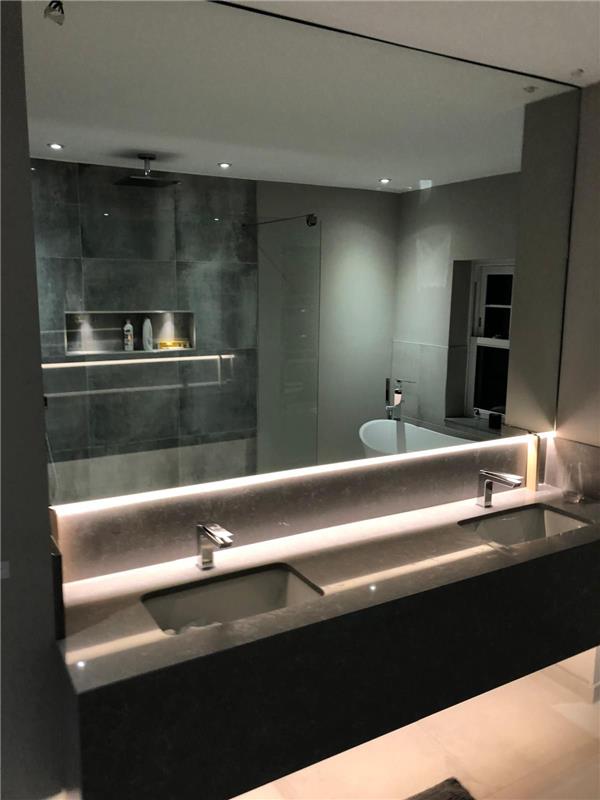
- Glass cut to size for shelves, table tops, cabinet fronts, splashbacks and made-to-measure mirrors in flats where nothing is a standard size.
Misted double glazing and emergency glass in SW4
A blown unit shows as a haze that won't wipe off, or tide marks along the bottom edge on a cold morning. The glass has gone; the frame usually has not. We measure it, make the unit up and come back to fit it, which in most Clapham houses is about an hour a window. It is a repair, not a replacement, and it is worth knowing the difference before anybody quotes you for a whole new window.
We also take emergency call-outs in Clapham. A bay put through on a Saturday night, a door pane after a break-in, a cracked frontage. We aim to make a property safe the same day where we can. Toughened and laminated glass has to be cut to size, so boarding first and glazing after is often the honest order of events, and we'll tell you on the phone which one you're getting.
Shop fronts, bars and restaurants in SW4
Clapham has four different trading streets and they want different glass. Clapham High Street is the heavy strip: bars, restaurants and retail, open late, and the frontages take a beating. Venn Street has the Picturehouse, the restaurants and the weekend food market. The Pavement and the Old Town put pubs and dining rooms inside Georgian buildings, so glass goes into openings that were never designed for plate. Abbeville Road is a self-contained village parade of independents. Add Clapham Park Road and the railway arches around Voltaire Road and Clapham North and that is most of the commercial glass in the postcode.
Late-night frontages bring the same jobs round again: a put-through pane, a cracked door light, a shattered display panel. We board it, measure it and come back with the right glass: toughened where the original was toughened, laminated where the position calls for it, and the same thickness rather than whatever happens to be on the van. Shop front glass replacement is easier for everyone before opening, and we'll work to that.
Conservation areas, flats and permission
Lambeth has 62 conservation areas covering roughly 30% of the borough, and SW4 on its own sits inside at least eight of them:
- Clapham (CA01)
- Rectory Grove (CA02)
- Clapham Park and Northbourne Road (CA17)
- Clapham High Street (CA22)
- Abbeville Road (CA30)
- Clapham Road (CA33)
- The Chase (CA35)
- Sibella Road (CA58)
The boundaries do not follow the obvious lines. In parts of Clapham one runs down the middle of a street, so the houses on one side need full planning permission for a window change and the houses opposite may not. Worth checking the address on Lambeth's map before anybody orders glass. Lambeth's town centre Article 4 direction across the High Street frontages is about change of use rather than glazing, but it tells you how closely those frontages are watched.
Flats are the other thing to know. A converted flat has no permitted development rights, so replacing a window on one usually needs permission from Lambeth whether the address is in a conservation area or not, and with the Abbeville grid and Clapham North so heavily converted, that catches a lot of SW4. Putting a new sealed unit into the frame you already have is glazing rather than a new window, which is a different question again. We are not a registered installer who can self-certify a replacement window under building regulations, so if a job is heading that way we say so at the quote, not halfway through.
How we get to Clapham from Waddon
Our yard is 24 Waddon Close, CR0 4JT. Clapham Common is about seven miles north of it: straight up the A23 through Thornton Heath, Streatham and Brixton, or across Mitcham and Balham when the A23 has stopped moving. Streatham and Wandsworth sit on the same run, so SW4 work often pairs up with those.
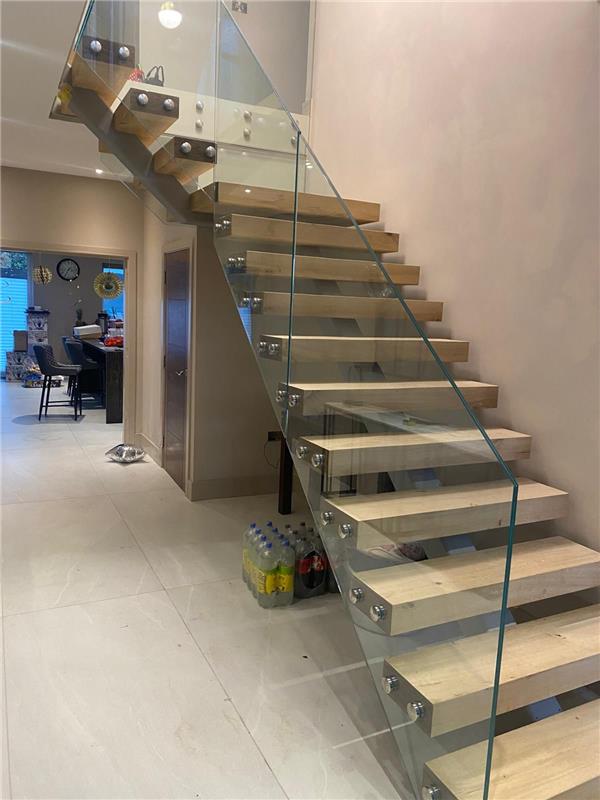
We'll be straight about it: most of our work is in Croydon and the CR postcodes, and we don't have a shop on Clapham High Street. For one small misted unit, a glazier round the corner may beat us on price, and we'll tell you if we think so. For a run of sash windows, a staircase balustrade, a shop front, or a job somebody else has made a mess of, the mileage stops mattering. Jason has spent his working life in the glazing trade, and you get him or one of his glaziers on the phone rather than a call centre.
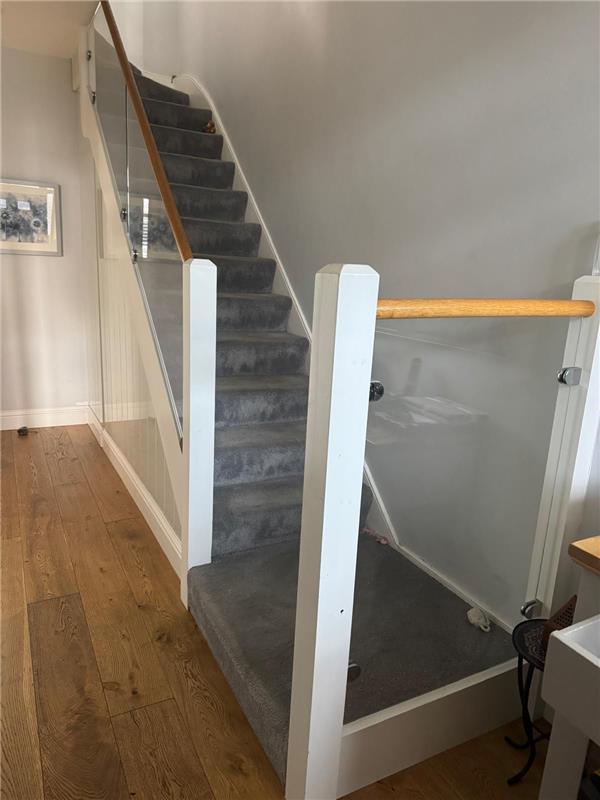
Glazing services we provide in Clapham
The same glass work we do all week in Croydon, taken up the A23 to SW4. Most Clapham jobs land in one of these.
Areas near Clapham
We also cover Croydon, Sutton, Streatham, Wandsworth, Wimbledon. See every area on our areas covered page.
Frequently Asked Questions
We cover it, and we'll be honest about the distance. Our yard is in Waddon, CR0 4JT, about seven miles south of Clapham Common, and we come up the A23 regularly for work in SW4, Streatham and Wandsworth. Most of our jobs are in the CR postcodes. If a Clapham job is too small to be worth the travel, we'll say so on the phone.
Usually yes. Reglazing an existing sash (new glass into the frame you already have, putty renewed), is normally maintenance rather than an alteration. Replacing the whole window is a different matter, and in the Clapham, Rectory Grove or The Chase conservation areas that starts as a planning conversation with Lambeth. Send us the address and we'll tell you which one your job is.
Probably, yes. Flats have no permitted development rights, so replacing a window on a converted flat usually needs planning permission from Lambeth, conservation area or not. Putting a new sealed unit into the existing frame is glazing rather than a new window and is normally a different question. It is also worth checking what the rest of the building has, because a shared façade is a shared look.
We won't promise a time we can't hold. We take emergency call-outs across SW4 and we aim to make a property safe the same day where we can. Often that means boarding the opening first and cutting the glass afterwards, because toughened and laminated panes are made to size. If it is urgent, ring 07956 138 582 rather than emailing.
Yes, and it is a repair rather than a new window. We measure the failed unit, make it up and come back to fit it into your existing frame. It works in uPVC, timber and aluminium, and in most SW4 houses it takes about an hour a window. If you have been quoted for whole new windows because of a misted pane, get a second opinion.
Yes. Shelves, table tops, cabinet fronts, splashbacks and mirrors, cut and polished to your measurements. Nothing in a converted Victorian flat is a standard size, so we template on site when the shape matters. Give us the sizes and the thickness you want, or we'll come and measure. We can deliver it, or you are welcome to collect from Waddon.
Yes. Laminated is what we normally put back into door lights and display panels on the Clapham High Street and Venn Street frontages, because it holds together when it is hit instead of coming out in pieces. It also suits the Georgian openings on The Pavement and around the Old Town, where a modern pane goes into something built long before plate glass. We match what came out, same thickness, same specification.
Only the glass part of it. In the Abbeville grid and off Clapham North, a window that has gone hazy has a failed sealed unit rather than a failed window, and putting a new unit into the existing frame is cheaper and far quicker than a new one. It also keeps you clear of the permission question, which matters when the address is a converted flat. We are not a replacement-window company (we do not supply or fit frames), so a rotten or broken frame needs a window firm.